How can shortness of breath from wild-type ATTR-CM be treated?
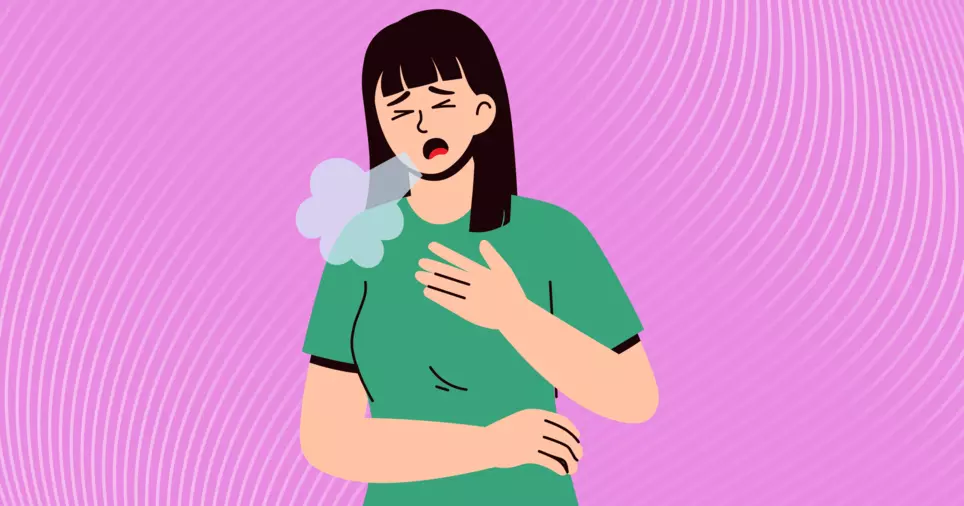
Shortness of breath is a common and frustrating symptom of wild-type ATTR amyloidosis affecting the heart. While Vyndamax helps slow disease progression by stabilizing the TTR protein, additional treatments can help manage your breathing symptoms.
Your doctor Show Full Answer
How can shortness of breath from wild-type ATTR-CM be treated?
Shortness of breath is a common and frustrating symptom of wild-type ATTR amyloidosis affecting the heart. While Vyndamax helps slow disease progression by stabilizing the TTR protein, additional treatments can help manage your breathing symptoms.
Your doctor may recommend medications specifically for heart failure symptoms, though it's important to note that typical heart medications like beta-blockers, calcium channel blockers, and ACE inhibitors are often avoided in wild-type amyloidosis because they can cause additional problems with blood pressure or may not work well with a stiffened heart.
Other symptom management approaches include:
* Monitoring daily weight for rapid increases
* Tracking and reporting worsened swelling in legs or abdomen
* Reducing salt intake and following heart-healthy lifestyle habits
* Working with your cardiologist to find medications that safely address fluid buildup
Since you're experiencing such significant limitations (shortness of breath after just 15-20 feet of walking or when standing), it's crucial to discuss this with your healthcare team right away. They can evaluate whether fluid is building up in your lungs and adjust your treatment plan accordingly.
A MyAmyloidosisTeam member shared similar frustration: "Breathing issues, nothing much can be done. Just have to learn to live with it." However, there are often options to improve symptoms, so don't hesitate to advocate for additional support from your care team.
February 9







 Join
Join





 Your Privacy Choices