A PYP (pyrophosphate) scan is a noninvasive test that helps diagnose cardiac amyloidosis by detecting amyloid protein buildup in the heart.
Here's what happens during the test:
The procedure starts with a small injection of radioactive PYP (Tc99m-PYP) into a vein in your arm. This substance travels through your Show Full Answer
A PYP (pyrophosphate) scan is a noninvasive test that helps diagnose cardiac amyloidosis by detecting amyloid protein buildup in the heart.
Here's what happens during the test:
The procedure starts with a small injection of radioactive PYP (Tc99m-PYP) into a vein in your arm. This substance travels through your bloodstream and collects where amyloid proteins have accumulated in your heart.
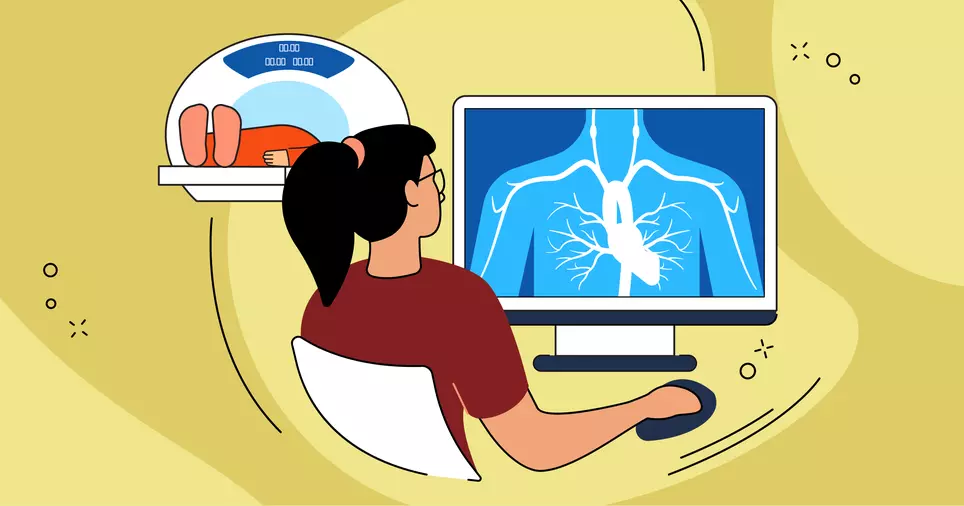
After a waiting period, you'll lie still on a table that slides into a scanner. The scan combines two imaging types:
* SPECT (single photon emission computed tomography) - shows where the tracer gathered in your heart
* CT (computed tomography) - creates detailed images of your heart's structure
Together, these create a 3D model of your heart that helps doctors diagnose cardiac amyloidosis, determine the type (ATTR vs AL), and assess severity.
Timing and recovery:
The entire process takes about 1.5 to 2 hours, with roughly 30 minutes inside the scanner. You can return to normal activities immediately afterward. The tracer leaves your body naturally through urine or stool.
Preparation tips:
Let your doctor know if you're pregnant, breastfeeding, or have claustrophobia. Staying still is important for clear images, so a mild sedative may be offered if needed.
April 14







 Join
Join





 Your Privacy Choices