How can severe bone pain be managed with amyloidosis?
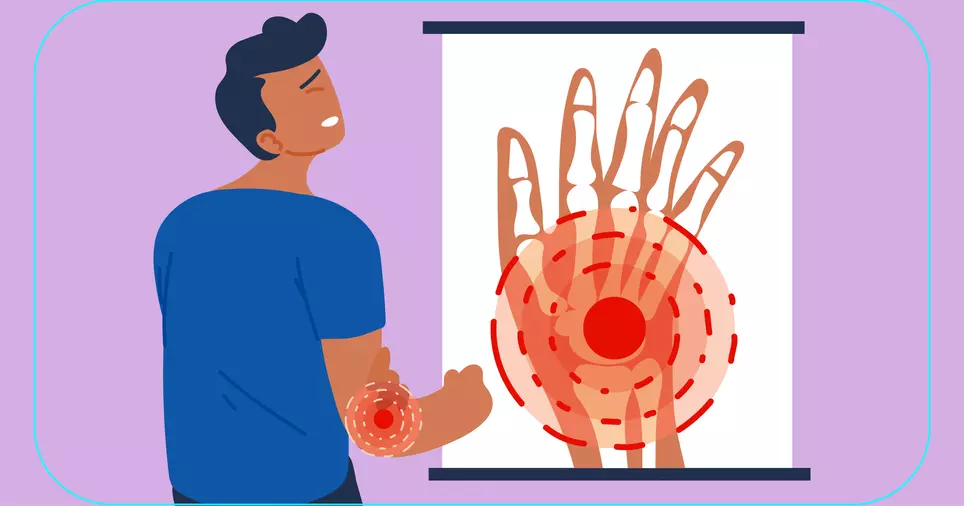
Severe bone pain in amyloidosis can occur when amyloid proteins build up in your bones, creating fluid-filled holes called bone cysts. These cysts weaken the bone and make it more prone to fractures, particularly in the hands, thigh bone, upper arm bone, and kneecap.
Show Full Answer
How can severe bone pain be managed with amyloidosis?
Severe bone pain in amyloidosis can occur when amyloid proteins build up in your bones, creating fluid-filled holes called bone cysts. These cysts weaken the bone and make it more prone to fractures, particularly in the hands, thigh bone, upper arm bone, and kneecap.
You might experience stiffness or pain in the affected area, and the weakened bone can lead to breaks or cracks. This is especially common at the top of the thigh bone, which can cause leg pain when walking.
Here are some ways to address bone pain:
* Talk to your doctor about nonsteroidal anti-inflammatory drugs (NSAIDs) for mild to moderate pain relief
* Report any new or worsening bone pain to your healthcare team immediately
* Be aware that bone pain near joints might be mistaken for joint-related problems
If you're on long-term dialysis, bone pain is particularly common with dialysis-related amyloidosis. Your healthcare team will focus on treatments to reduce your symptoms, as there's currently no cure for this type.
It's important to mention all your symptoms to your doctor, including any weight loss, fatigue, numbness, or other changes you're experiencing alongside the bone pain.
December 18, 2025








 Join
Join





 Your Privacy Choices