
Powered By



If you’ve been dealing with unexplained nerve pain, weakness, or numbness, you may have come across the term polyneuropathy. It’s a broad category. One rare form, called transthyretin amyloid polyneuropathy (ATTR-PN), has a very specific cause — it’s often genetic.
This may feel overwhelming at first. But understanding your symptoms is a powerful first step. It helps you manage your health and get the right care. This article will help you understand polyneuropathy. It’ll also explain the specific causes of ATTR polyneuropathy.
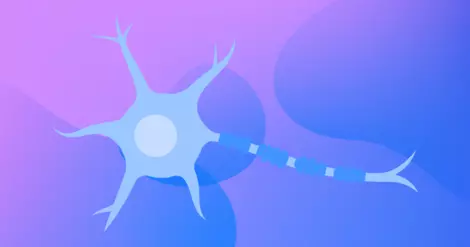
Your nervous system is like a network of “wires.” These wires are your nerve cells. They connect your brain and spinal cord (the central nervous system) to the rest of your body (the peripheral nervous system). These two systems talk to each other through electrical signals. This allows you to move and think.
The peripheral network is vast and delicate, making it vulnerable to damage from various health issues. When this damage is widespread, affecting multiple nerves at the same time, it’s called polyneuropathy.
Polyneuropathy is a disease. It happens when the connection between your nerve cells is broken. The word seems complicated, but it has just two parts:
So polyneuropathy means that many nerves are damaged in the peripheral nervous system. When these nerves are damaged, it causes weakness, pain, and numbness. This usually happens in the feet and hands — body parts connected to the peripheral nervous system.
Some people have other types of nerve damage. These conditions have different causes:
The symptoms of pain and numbness are similar with mononeuropathy, radiculopathy, and polyneuropathy. However, mononeuropathy and radiculopathy are often caused by injury or pressure on a nerve. Polyneuropathy is caused by several factors, including genetics, infections, substance use disorder, or diseases like diabetes.
The exact causes of polyneuropathy are often unknown, but some risk factors are known. These include:
The progression of polyneuropathy can be slow and gradual, developing over many months or even years. In other cases, it may appear more suddenly. The specific pattern of symptoms and their rate of progression often provide important clues for doctors, helping them identify the underlying cause.
The symptoms of polyneuropathy can vary, but they often follow a predictable pattern of starting in the feet and moving upward. There are three main types of symptoms: sensory, motor, and autonomic.
Sensory symptoms are the most common and cause unique changes to sensation in the hands and feet. These sensations can be constant or may come and go intermittently, sometimes flaring up more noticeably at night and disturbing your sleep. Sensory symptoms include:
Motor symptoms mainly include changes in movement and can significantly impact someone’s mobility. These include:
The autonomic nerves control involuntary functions like your heartbeat, blood pressure, and digestion. If the autonomic nerves are damaged, it can cause problems with these involuntary functions. Autonomic symptoms include:
For some people with polyneuropathy, the cause is a specific inherited or age-related condition known as ATTR amyloidosis.

Amyloidosis is a disease where proteins aren’t folded correctly and end up accumulating in the body. These misfolded proteins build up in organs and prevent them from working properly.
In people with ATTR amyloidosis, a protein called transthyretin (TTR) is misfolded. These misfolded proteins build up and create stiff fibers called amyloids. Amyloid fibers that build up around nerves press on the cells and damage them. This causes the symptoms of polyneuropathy.
ATTR amyloidosis polyneuropathy most often has genetic or age-related causes.
If you’re experiencing symptoms of polyneuropathy, don’t panic, but be proactive. It’s important to take early action if you suspect you’re experiencing early signs and symptoms so you can get the help you need quickly.
There are many causes of polyneuropathy, so your doctor will need to rule out potential causes. Here are some elements of the diagnosis process you may experience:
The goal after diagnosis is to shift to managing your disease. Management differs depending on the underlying cause. Several treatment avenues exist to help people with ATTR amyloidosis and polyneuropathy. There isn’t a cure yet, but the treatment options have changed dramatically and can be helpful to many.
In addition to medical treatments, lifestyle adjustments play a crucial role in improving your day-to-day life. These can include meticulous foot care to prevent injuries you might not feel or using assistive devices like a cane for stability. Managing underlying conditions, such as controlling blood sugar if you have diabetes, is also critical.
It’s important to have a team of healthcare professionals who work together to make a care plan for you.
On MyAmyloidosisTeam, people share their experiences with amyloidosis, get advice, and find support from others who understand.
Do you live with polyneuropathy? Let others know in the comments below.
Get updates directly to your inbox.


Caregiver does not want to be a caregiver...



 Continue with Facebook
Continue with Email
Continue with Facebook
Continue with Email
Continue with Facebook
Continue with Email
Continue with Facebook
Continue with Email
Become a member to get even more





 Join
Join


 Your Privacy Choices

This is a member-feature!
Sign up for free to view article comments.
I was diagnosed with Amyloidosis over 20 years ago but I didn't have any issues until about 4 years ago when I had my knees replaced. I don't know if the 2 are related but I am very frustrated. My… read more
We'd love to hear from you! Please share your name and email to post and read comments.
You'll also get the latest articles directly to your inbox.