When amyloidosis affects the kidneys, it can disrupt their ability to filter blood properly. This can sometimes contribute to high blood pressure, as the kidneys play a key role in regulating blood pressure. Kidney involvement is seen in about two-thirds of people with AL amyloidosis.
Signs that the kidneys may be affected Show Full Answer
When amyloidosis affects the kidneys, it can disrupt their ability to filter blood properly. This can sometimes contribute to high blood pressure, as the kidneys play a key role in regulating blood pressure. Kidney involvement is seen in about two-thirds of people with AL amyloidosis.
Signs that the kidneys may be affected include:
- Protein leaking into the urine (which may look foamy or bubbly)
- Swelling in the legs, ankles, or abdomen
- Changes in how often you urinate
- Low albumin levels in the blood
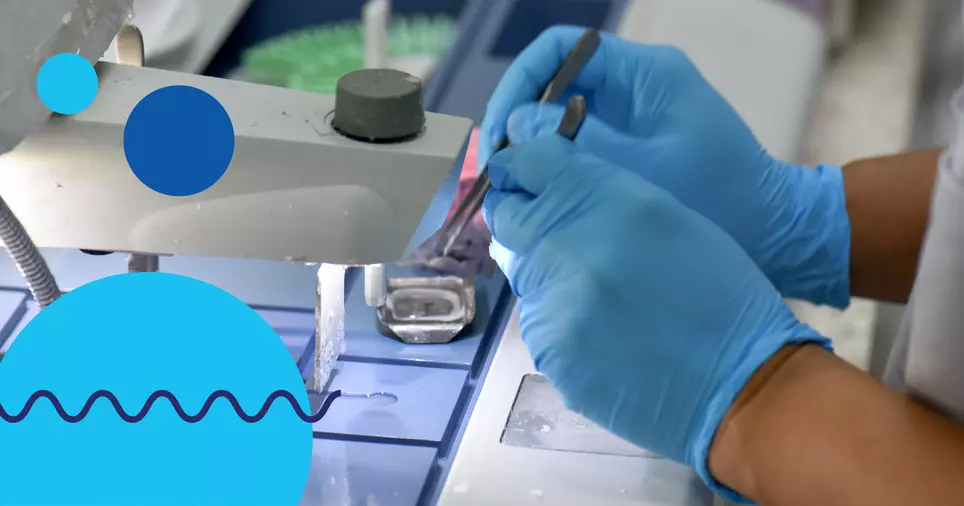
- High cholesterol levels A kidney biopsy is one of the key ways doctors confirm whether amyloid deposits are present in the kidneys. It involves removing a small sample of kidney tissue to test for amyloid proteins and assess the level of damage.
Other tests used alongside or before a biopsy may include:
- Urine tests – to check for protein levels
- Blood tests – to look for amyloid proteins, cholesterol, or albumin levels
It's worth discussing with your care team whether a biopsy is the right next step for your situation, as they'll weigh the benefits against any risks based on your overall health.
May 29







 Continue with Facebook
Continue with Email
Continue with Facebook
Continue with Email

 Join
Join





 Your Privacy Choices