Connect with others who understand.

  • Learn from expert-reviewed resources
  • Real advice from people who’ve been there
  • People who understand what you’re going through
Sign Up Log In
Powered By

Amyloidosis Polyneuropathy: 4 Tips for Relief From People Who Live With It

Written by Ted Samson
Posted on September 11, 2026

For many people with amyloidosis, polyneuropathy can be one of the most challenging parts of daily life. Polyneuropathy is a type of neuropathy (nerve damage) that affects many peripheral nerves. These nerves are outside the brain and spinal cord.

“Neuropathy is beyond painful,” one MyAmyloidosisTeam member shared. “The electric shocks and twitches and walking on Legos 24/7. It is hard.” 
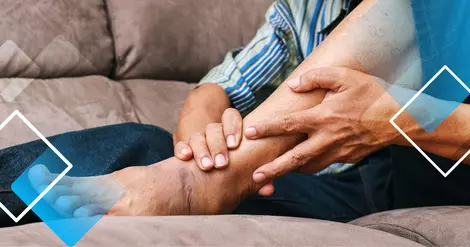
Polyneuropathy symptoms often start in the toes, feet, or hands. People may notice burning, numbness, tingling, or electric shocklike sensations, as well as weakness and balance problems.

There isn’t one approach that works for everyone with amyloidosis-related polyneuropathy. MyAmyloidosisTeam members have shared strategies that help ease symptoms or make daily life easier. Check out their suggestions, and let others know which tips have helped you.

Tip #1

Talk With Your Doctor About Medications for Nerve Pain

Treatment for amyloid neuropathy may address both the underlying disease and its symptoms. Medicines used for nerve pain can include gabapentin… Read more

Treatment for amyloid neuropathy may address both the underlying disease and its symptoms. Medicines used for nerve pain can include gabapentin and pregabalin, but the right option depends on your symptoms, other health conditions, and overall care plan.

Several MyAmyloidosisTeam members said prescription medications helped reduce nerve pain, even if they didn’t eliminate it. One member shared, “I started having intense stabbing intermittent foot pain 15 years ago. I was given … Lyrica then, and now pregabalin with increasing doses over the years, which have, for the most part, calmed the pain.”

Another member wrote, “My only organ affected is my nerves in my legs. … I take gabapentin daily to suppress the jolts of nerve pain.”

These are individual experiences. A medication that helps one person may not help another. Because medicines can cause side effects or interact with other medications, talk with your healthcare team about new or worsening nerve pain before making changes to your treatment plan.

Have you tried any prescription medications to help ease neuropathy pain?

Tell us more!
All updates must be accompanied by text or a picture.
Tip #2

Stay Active, but Listen to Your Body

Movement can be difficult with polyneuropathy, but physical therapy may help improve muscle strength, functional mobility, and balance. Your… Read more

Movement can be difficult with polyneuropathy, but physical therapy may help improve muscle strength, functional mobility, and balance. Your healthcare team can help you choose activities that fit your symptoms and abilities.

Several members said gentle activity helped them feel better. Others found that pacing themselves was just as important because doing too much could make symptoms worse later.

One MyAmyloidosisTeam member wrote, “I find for me, my neuropathy is better when I go for walks. At night, while lying down, it’s worse.”

Not everyone had the same experience, though. One member said, “Did a 14-mile bike ride yesterday, with a grandchild in tow. … Feeling pretty good this morning; however, neuropathies were really ramped up last night.”

Quote icon
“I find for me, my neuropathy is better when I go for walks.”
 
— A MyAmyloidosisTeam member


Finding the right amount and type of activity may take trial and error. If movement makes your symptoms worse, causes pain, or affects your balance, talk with your healthcare team about safer ways to stay active.

Have you tried using movement to relieve polyneuropathy pain?

Tell us more!
All updates must be accompanied by text or a picture.
Tip #3

Use Mobility Devices That Improve Safety

When amyloidosis affects the nerves, walking can become more difficult because of weakness and trouble sensing where your body is in space.

Read more

When amyloidosis affects the nerves, walking can become more difficult because of weakness and trouble sensing where your body is in space.

MyAmyloidosisTeam members said mobility aids and other practical adjustments helped them stay independent.

Quote icon
“I now have a wheelchair (I still cannot walk), which has really helped.”
 
— A MyAmyloidosisTeam member


Mobility support doesn’t have to mean using a wheelchair. One member said, “I use a cane that helps.”

Another described plans to try a different kind of support: “The good news is I will be getting fit for orthotics, which should help.” Orthotics are shoe inserts or other devices designed to support the feet and improve how you stand or walk.

A physical or occupational therapist can help determine whether an assistive device might help you move more safely. They can also help you learn how to use it correctly.

Have you tried any assistive devices to help with balance problems from polyneuropathy?

Tell us more!
All updates must be accompanied by text or a picture.
Tip #4

Protect Your Feet and Check Them Regularly

Polyneuropathy can cause numbness as well as pain. When sensation in your feet is reduced, you may not notice an injury right away. In amyloid… Read more

Polyneuropathy can cause numbness as well as pain. When sensation in your feet is reduced, you may not notice an injury right away. In amyloid neuropathy, injuries you can’t feel can contribute to sores or other foot problems, so regular checks can help you notice changes that need attention.

One MyAmyloidosisTeam member described how easy an injury can be to miss: “This summer, I tripped and broke my big toe. With my neuropathy, I never felt any pain.”

Footwear may also affect day-to-day comfort. 

Quote icon
“I have neuropathy in my feet. I wear neuropathy socks … and shoes … They help a lot.”
 
— A MyAmyloidosisTeam member


What feels comfortable can be different for everyone. If you have reduced sensation in your feet, ask your healthcare team how to protect them and what changes to watch for. Let your provider know about new sores, injuries, color changes, or anything else unusual about your feet.

Have you done anything extra to check or protect your feet?

Tell us more!
All updates must be accompanied by text or a picture.
Now it's your turn

What Has Helped Ease Your Polyneuropathy Symptoms?

What did we miss? We’d love to hear what helps you relieve pain, tingling, balance issues, and other polyneuropathy symptoms. Share your best tips below.

All updates must be accompanied by text or a picture.

We'd love to hear from you! Please share your name and email to post and read comments.

You'll also get the latest articles directly to your inbox.

Subscriber Photo Subscriber Photo Subscriber Photo
9,183 members
This site is protected by reCAPTCHA and the Google Privacy Policy and Terms of Service.
Privacy Policy Terms of Use
Share this article
Continue with Facebook
Continue with Google
By joining, you accept our Terms of Use, and acknowledge our collection, sharing, and use of your data in accordance with our Health Data and Privacy policies.
Already a member? Log In
See answer