
Powered By


 Continue with Facebook
Continue with Email
Continue with Facebook
Continue with Email
When people think about amyloidosis, they may picture one main problem, like heart issues, nerve symptoms, or kidney changes. But members of MyAmyloidosisTeam say what surprised them most was how wide-ranging (and sometimes unpredictable) amyloidosis symptoms can be.
Among dozens of responses to the question “What Amyloidosis Symptom Surprised You the Most?” members shared the symptoms they didn’t see coming, like crushing fatigue, balance issues, swelling, and nerve pain.
Here are seven symptoms that stood out, in members’ own words, plus some insights into why they might be happening.
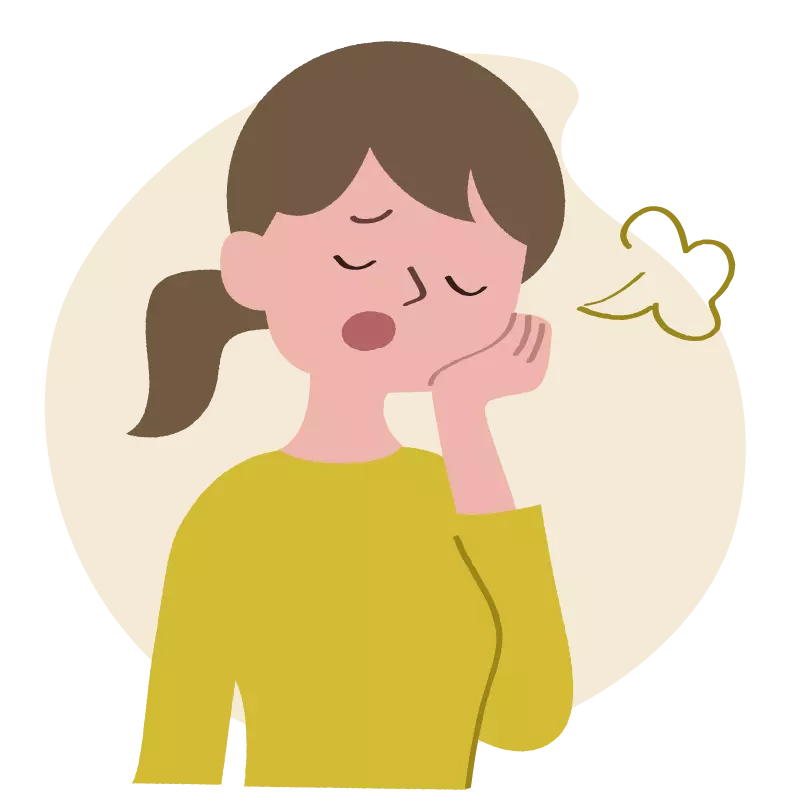 For many MyAmyloidosisTeam members, the biggest shock was how intense the tiredness felt — even after small tasks.
“The fatigue really gets to me too! It is so aggravating that I can’t even stand up long enough to cook dinner without having to take a break,” shared one member.
Another said they “feel exhausted with little actual activity,” while a third said they were constantly tired and “could sleep all day.”
Fatigue can show up for many reasons in amyloidosis. When your body is working harder to keep up — whether from heart strain, nerve involvement, sleep disruption, pain, or treatment side effects — it can drain your energy fast. Knowing which type of amyloidosis you have can help your care team target the right cause.
If fatigue is new, worsening, or limiting your ability to function, it’s worth bringing specific examples (what you were doing, what time of day it hits, what helps) to your healthcare provider.
MyAmyloidosisTeam members often described feeling unsteady, especially with position changes. Some named orthostatic hypotension specifically (a drop in blood pressure when standing).
One member shared their experience with “dizzy spells and lightheadedness that come and go,” adding, “Sometimes I can barely stand!”
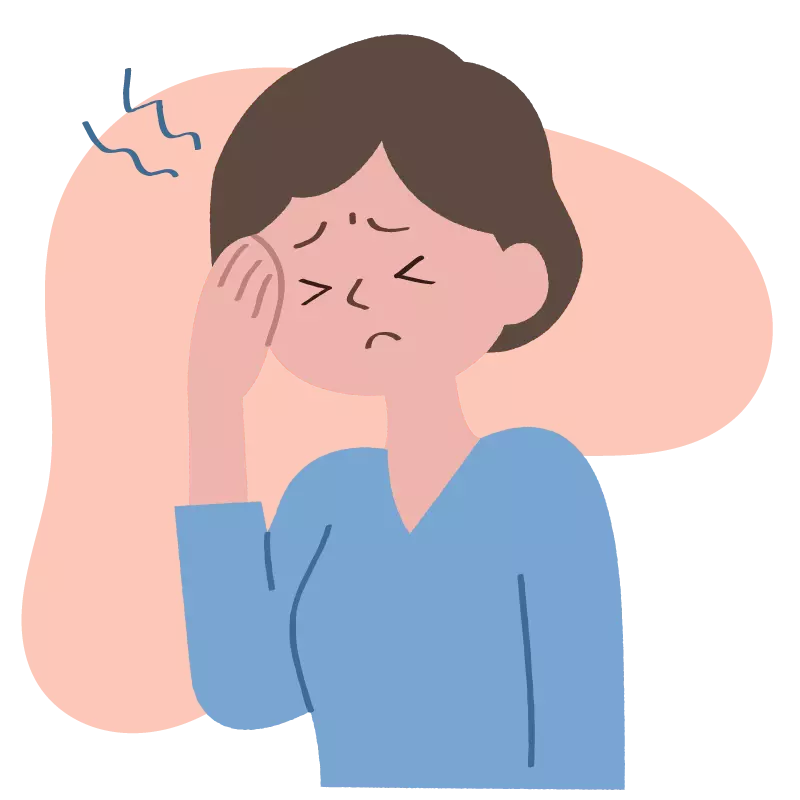 The sensation can be concerning or frightening: “I wonder if I will fall when I get out of the bed,” another member shared.
A third member shared a strategy in their “constant battle” with orthostatic hypotension: “If I stay well hydrated and take my midodrine, I can control it fairly well, but I have to stay on top of it.” (Midodrine is a medication that treats low blood pressure.)
Amyloidosis can affect the nerves that help regulate automatic body functions like blood pressure. In cardiac amyloidosis, the heart’s lower chambers can stiffen over time, making it harder for the heart to fill properly between beats. This can limit how much blood is pumped out with each heartbeat, contributing to dizziness and lightheadedness. Dizziness can also happen when you’re dehydrated or adjusting to new medications.
Because dizziness can raise your risk of falls, it’s important to tell your doctor exactly when it happens and whether it’s tied to actions like standing up, eating, showering, or exerting yourself.
Breathing changes were a major surprise, sometimes as an early amyloidosis symptom and sometimes alongside swelling or fatigue.

“By far, the shortness of breath is No. 1,” one MyAmyloidosisTeam member shared.
Another said they’d experienced shortness of breath, along with a host of other symptoms, before they started treatment. “I am much better with treatment, but that comes with its own side effects,” they added.
Shortness of breath can have more than one cause in amyloidosis. For some people, it may be linked to fluid buildup, anemia (a low red blood cell count), deconditioning (reduced strength and stamina), lung involvement, or heart-related changes that make exertion feel harder.
If you notice shortness of breath at rest, rapid worsening of breathing, chest pain, or fainting, contact your healthcare team promptly.
It’s worth noting that many people adapt their activity level so gradually that they stop noticing how much their breathing has changed. If you find yourself avoiding stairs, slowing your pace, or resting more during activities you once did easily, that pattern is worth discussing with your doctor — even if you don’t feel short of breath at the moment.
Some members pointed to heart failure, unusual blood pressure patterns, and signs of heart muscle involvement as especially unexpected.
“The surprising symptom is that when blood pressure is in the ‘good’ range, I feel horrible. When it is elevated … I feel better,” one MyAmyloidosisTeam member shared. “I was told by the medical team that this is due to the wall thickening in the lower left chamber of my heart, not allowing the chamber to fully relax and then expel a full charge of blood into the circulatory system.”
“I am always out of breath and know that my left ventricle has been damaged,” wrote another.
In some types of amyloidosis, particularly ATTR and amyloid light-chain (AL) amyloidosis, misfolded protein deposits can affect the heart’s structure by making the walls thick and stiff. That can change how well the heart fills and pumps, and it may lead to symptoms like low energy, exercise intolerance, swelling, or unusual blood pressure. Some standard heart failure medications may not work properly for amyloidosis.
If you’re noticing new heart-related symptoms (or symptoms that are unusual for you), your cardiology team can help sort out what’s happening.
MyAmyloidosisTeam members described edema (swelling caused by fluid buildup) as both surprising and disruptive, especially when it made walking harder.
One member said they were caught off guard by the combination of swelling and polyneuropathy (a type of nerve damage). “Makes walking very difficult,” they wrote, “I can walk with either a walker or two canes.”
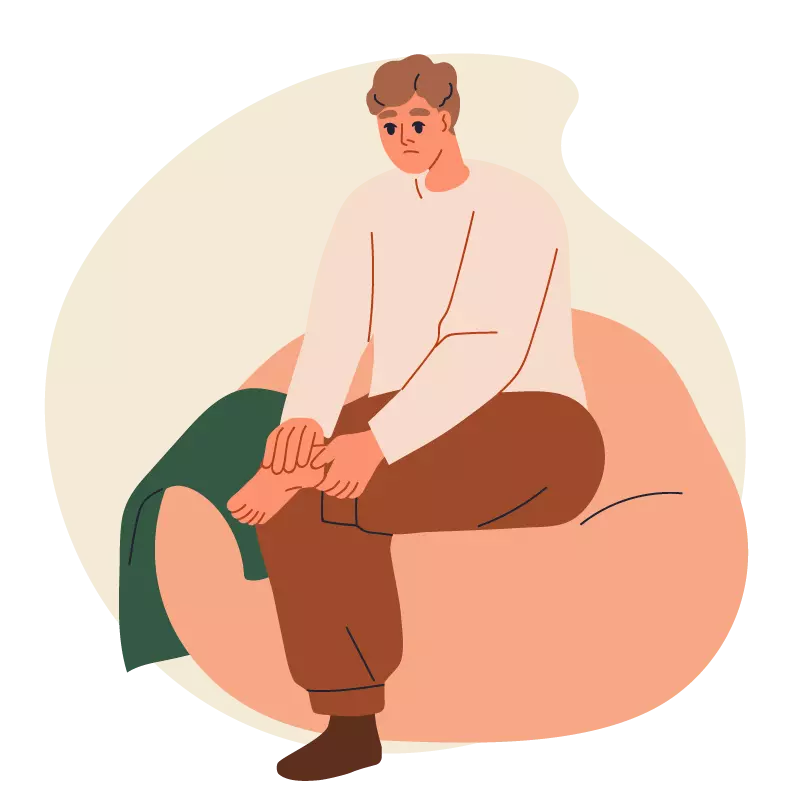 “The swelling in my legs and the shortness of breath really took me by surprise,” another shared.
Edema can be related to fluid retention, circulation changes, heart strain, kidney involvement, or reduced mobility. Because swelling can also overlap with shortness of breath and fatigue, tracking symptom patterns (time of day, after salty foods, after travel, after medication changes) can give your care team useful clues. Swelling may require different treatment approaches depending on the cause.
A lot of members weren’t prepared for how quickly their strength or stamina could change or how much it could impact daily life.
“The loss of weight and muscle weakness are the big issues I have encountered,” one member wrote.
“I am now 80, and I never know if symptoms are due to age or the amyloidosis,” another member wrote. “Loss of stamina. Fatigue. I try to keep walking my 4 miles. I still manage it, but with lots of rest stops and much more slowly. I do not want to give it up.”
Weakness and stamina changes can be tied to reduced activity, nutrition changes, nerve involvement, heart strain, and the overall energy cost of living with a chronic condition.
If you’re losing weight or muscle without trying, or if weakness is affecting your safety, your doctor may want to evaluate what’s driving it. Rehabilitative therapy, nutrition support, or symptom management could help. Consulting a dietitian familiar with chronic disease, a physical therapist, or an occupational therapist could help you learn to slow muscle loss and preserve independence. Ask your doctor for a referral.
Members talked about numbness, pain, and related issues with ligaments.
One MyAmyloidosisTeam member said among their most surprising symptoms were “head pressure and numbness in hands and feet.”
 A second said, “Sometimes, I have very bad muscle pain in my shoulder. And it seems to be very regular, as it happens every single day.”
“I have bilateral carpal tunnel and spinal stenosis with my wild-type amyloidosis,” a third member shared.
Bilateral carpal tunnel syndrome is when the median nerve is compressed at the wrist in both hands. Spinal stenosis is a narrowing of spaces in the spine that can put pressure on nerves.
Amyloidosis can involve peripheral nerves. These are nerves outside the brain and spinal cord that carry sensation signals, like touch, pain, and temperature. They also help control movement and balance.
Some people with amyloidosis also experience tendon and ligament issues that show up as carpal tunnel or spine problems.
Because numbness and pain can have multiple causes — including unrelated orthopedic issues — it helps to tell your doctor where symptoms happen, what they feel like, and what makes them better or worse.
Amyloidosis symptoms can be wide-ranging. The surprises members described often weren’t just physical. Symptoms affected independence, routines, confidence, and quality of life.
If something feels “new” or “not like you,” consider writing it down (what it is, when it happens, how long it lasts, what else is going on) and sharing that log with your healthcare provider. And if you’re reading these quotes thinking, “This is me,” you’re not the only one.
On MyAmyloidosisTeam, people share their experiences with amyloidosis, get advice, and find support from others who understand.
Have you been surprised by any symptoms while living with amyloidosis? Let others know in the comments below.
Get updates directly to your inbox.


Mam polineuropatie amyloidozową attrm mutacja c157T phe53leu szybko zanikają mięśnie

 Continue with Facebook
Continue with Email
Continue with Facebook
Continue with Email
Continue with Facebook
Continue with Email
Continue with Facebook
Continue with Email
Become a member to get even more





 Join
Join




 Your Privacy Choices

This is a member-feature!
Sign up for free to view article comments.
I have wild type amyloidoses annd find myself very tired. Whenever I try do anything physical I tire out and have a hard yime staying awake. When I tell my doctor they jusy increase my lasic which… read more
We'd love to hear from you! Please share your name and email to post and read comments.
You'll also get the latest articles directly to your inbox.